
IIT: A Rosetta Stone for Mind at Large?
Could Integrated Information Theory help us map consciousness?
Date: 22 July 2025
Duration: 2h 29m
Title: The brain as substrate or representation
Duration: 9:42
https://vimeo.com/1226769387/d4df2e61bc
0:00:00 Could IIT become a Rosetta Stone for consciousness?
0:05:04 Why Bernardo defends IIT against its critics
0:10:01 What must a conscious experience be like?
0:15:03 The brain as substrate or representation
0:20:27 Five principles for mapping experience
0:25:06 Why integration matters more than neuron count
0:35:17 Information is about what could have been
0:40:19 What makes an experience hang together?
0:45:04 Testing consciousness by perturbing the brain
0:50:29 Could the cosmic web support integration?
1:00:18 Could mind at large lack an ego?
1:10:35 Why the brain’s boundaries matter
1:15:07 Could a fleeting Boltzmann brain feel pain?
1:20:22 Why a pain pattern cannot be read in isolation
1:30:22 Where IIT reaches its limits
1:40:33 Must every experience have a measurable correlate?
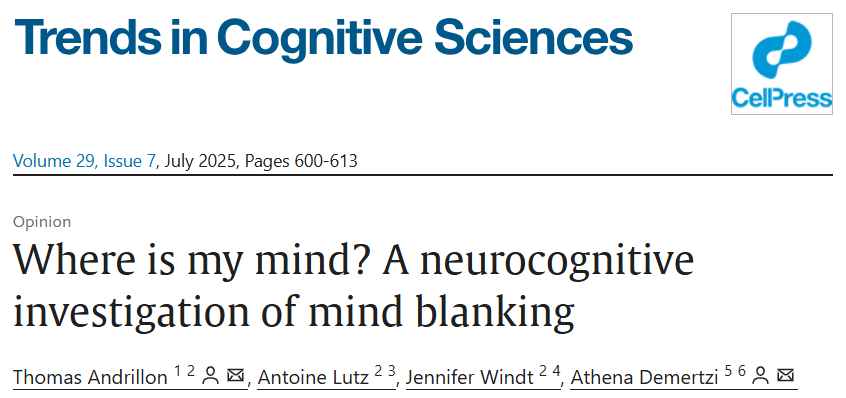
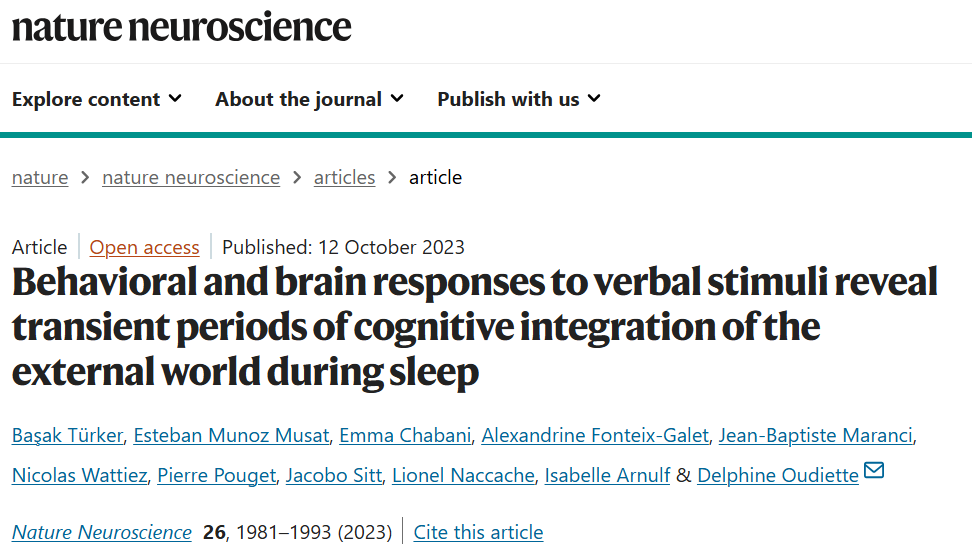
1:45:02 Are we conscious in deep sleep?
1:55:01 Forgetting a dream is not never having dreamed
2:10:04 Is individual awareness the same as an ego?
2:15:21 Metacognition and the cost of rumination
2:20:35 Could one brain contain several conscious complexes?
2:25:12 The challenge of cosmic consciousness
Bernardo proposes that Integrated Information Theory may become a way to map the physical correlates of experience - a Rosetta Stone that unlocks the mysteries of Mind at Large.
So we are privileged to be joined next week, 29th July, by Christof Koch, a celebrated neuroscientist working on the neural correlates of consciousness and Integrated Information Theory.
In preparation, yesterday we dialogued with Bernardo to better understand IIT and its implications so we can make the most out meeting with Christof.
Here you can read my brief introduction to Integrated Information Theory, and below is the full recording, and links to the papers mentioned.
We discuss:
- Bernardo's response to the open letter against IIT
- The 5 Axioms of IIT - the characteristics of conscious experience
- The revolutionary significance of IIT for Idealism
- What is integration? What is information?
- Could the picture of the universe imply consciousness?
- Could the correlates of pain be found in the weather or a river?
- Does representation account for every experience?
- Are we conscious in deep sleep?
- IIT, the Ego, multiple minds and metaconsciousness
 Bernardo Kastrup, PhD, PhD
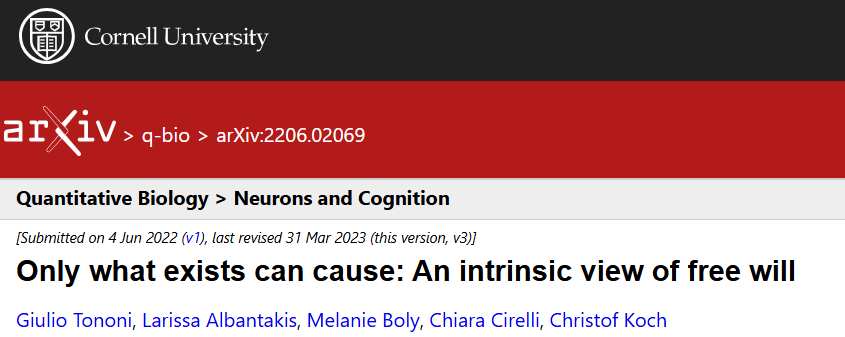
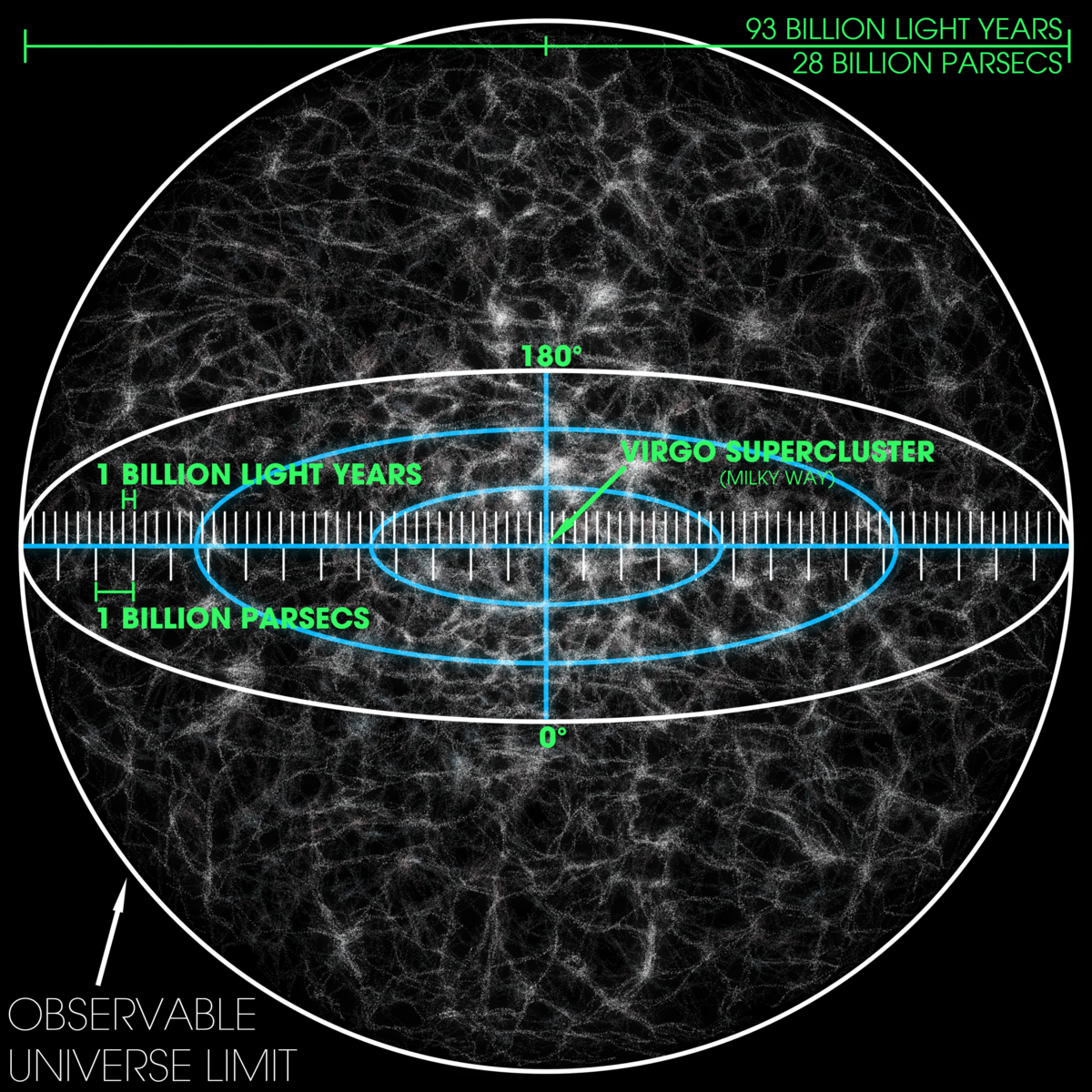

Our 2024 dialogue with Christof can be viewed here,
I look forward to seeing you next week!
Amir
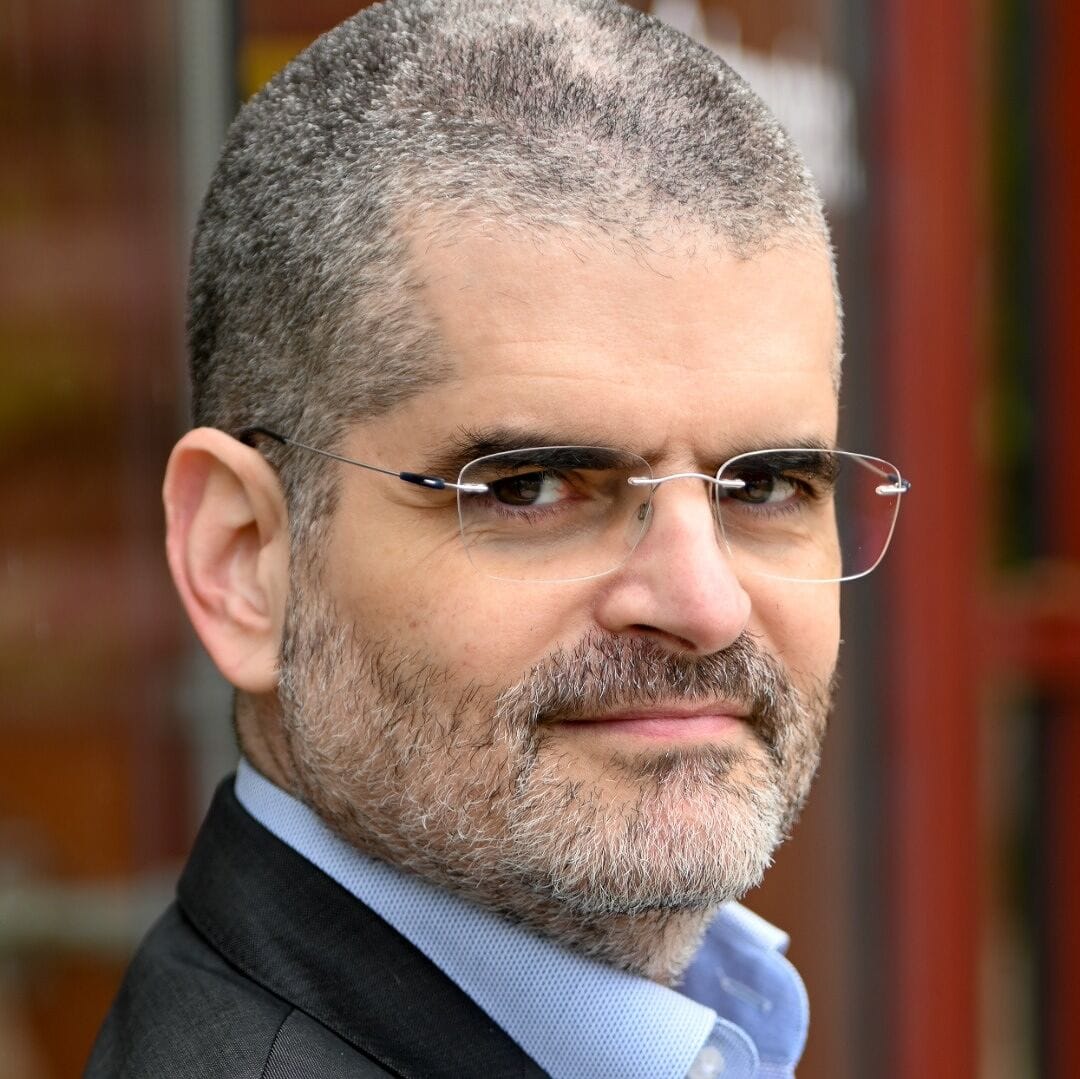
Bernardo Kastrup
Analytic idealism
Bernardo Kastrup is the Executive Director of Essentia Foundation and Founder/CEO at AI systems company Euclyd BV. His work has set off the modern renaissance of metaphysical idealism. He has a Ph.D. in philosophy (ontology, philosophy of mind) and another in computer engineering (reconfigurable computing, artificial intelligence).
As a scientist, he has worked for the European Organization for Nuclear Research (CERN) and the Philips Research Laboratories (where the ‘Casimir Effect’ of Quantum Field Theory was discovered). He has also been creatively active in the high-tech industry for almost 30 years, having founded parallel processor company Silicon Hive (acquired by Intel in 2011) and worked as a technology strategist for the geopolitically significant company ASML. Most recently, he has founded AI company Euclyd BV.
Formulated in detail in many academic papers and books, his ideas have been featured in Scientific American, the magazine of The Institute of Art and Ideas, the Blog of the American Philosophical Association and Big Think, among others. His most defining book is Analytic Idealism in a Nutshell: A straightforward summary of the 21st-century’s only plausible metaphysics.
Go deeper
A community made possible by member support
Standard membership €25 / month
Reduced-price membership €15 / month
Cancel at any time
Bursaries on request
Explore membershipAlready a member? Sign in
Weekly meetings · Full recordings · Questions & community
Member discussion