
Rupert Spira & Bernardo Kastrup in conversation
Consciousness, not as something we have, but as something we are
Date: 13 May 2025
Duration: 2h 10m
0:00:00 Rupert Spira and Bernardo: being and understanding
0:05:02 A guided exploration of simply being
0:10:21 Has experience changed your being?
0:15:18 Must the inner voice fall silent?
0:20:27 Self-inquiry through interest rather than effort
0:30:09 Is awakening an extraordinary experience?
0:35:03 When recognition comes, but doesn’t stay
0:40:03 Why old patterns may keep their momentum
0:44:56 Brother Lawrence and the presence of God
0:50:24 After understanding: living it in relationships
0:55:01 Can resistance and outrage express love?
1:00:13 Where do daimons fit in non-duality?
1:05:22 One being—and its many compelling expressions
1:15:22 Creation as love taking form
1:20:37 Does nature have a preferred direction?
1:25:18 Does awareness need a finite mind to know itself?
1:30:02 Returning to where we began—with new understanding?
1:35:08 Rupert: can being ever lack self-knowledge?
1:40:04 Bernardo: what self-reflection adds
1:45:17 What a guitar string’s sound reveals about it
1:50:30 Could the infinite know itself as infinite?
1:55:02 Does experience enrich being without changing it?
2:00:07 Two minds, different interests in the same reality
2:05:26 Why objective knowledge needs a point of view
This session felt like such an incredible privilege to witness, with Rupert and Bernardo engaging in a debate about the nature of being, consciousness and awakening that pushed each of their understandings to the limit, yet conducted in a spirit of friendship, love and mutual respect and curiosity.
The last 30 minutes were especially interesting, with them both presenting very different perspectives on the question - does infinite being change or gain by the finite experience?
You might know - Bernardo and Rupert Spira have been inspiring each other for several years, in private and in exciting public conversations that deepen the understanding of their respective approaches.
Rupert Spira's method centers on direct investigation of consciousness, emphasizing that awareness is not something we have, but what we are. His approach involves careful examination of immediate experience, asking you to verify through your own investigation that consciousness is the constant, unchanging reality in which all experiences appear and disappear.
His dialogues with Bernardo have been an incredible convergence of non-dual spirituality and analytical philosophy. While they approach the question from different angles they share several fundamental conclusions about the nature of reality.
Subjects of conversation included:
- Can we discard the intellect when we get the experience?
- Where Rupert and Bernardo disagree
- What about spirits and daimons in Non-Duality?
- Is resisting fascism a form of love?
- How to deal with the inner voice when meditating?
- Is enlightenment an extraordinary experience.
You can read more about Rupert here.
Here are the previous dialogues that we've hosted:
Here is the recording of this session on the limits and virtues of understanding:
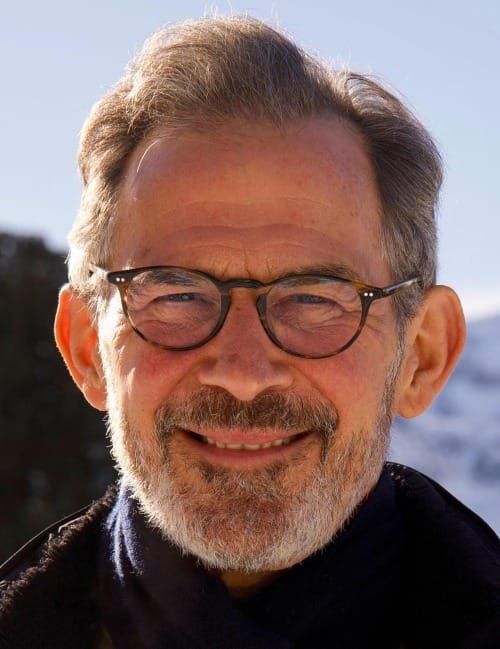
Rupert Spira
Rupert Spira's method centers on direct investigation of consciousness, emphasizing that awareness is not something we have, but what we are. His approach involves careful examination of immediate experience, asking you to verify through your own investigation that consciousness is the constant, unchanging reality in which all experiences appear and disappear.
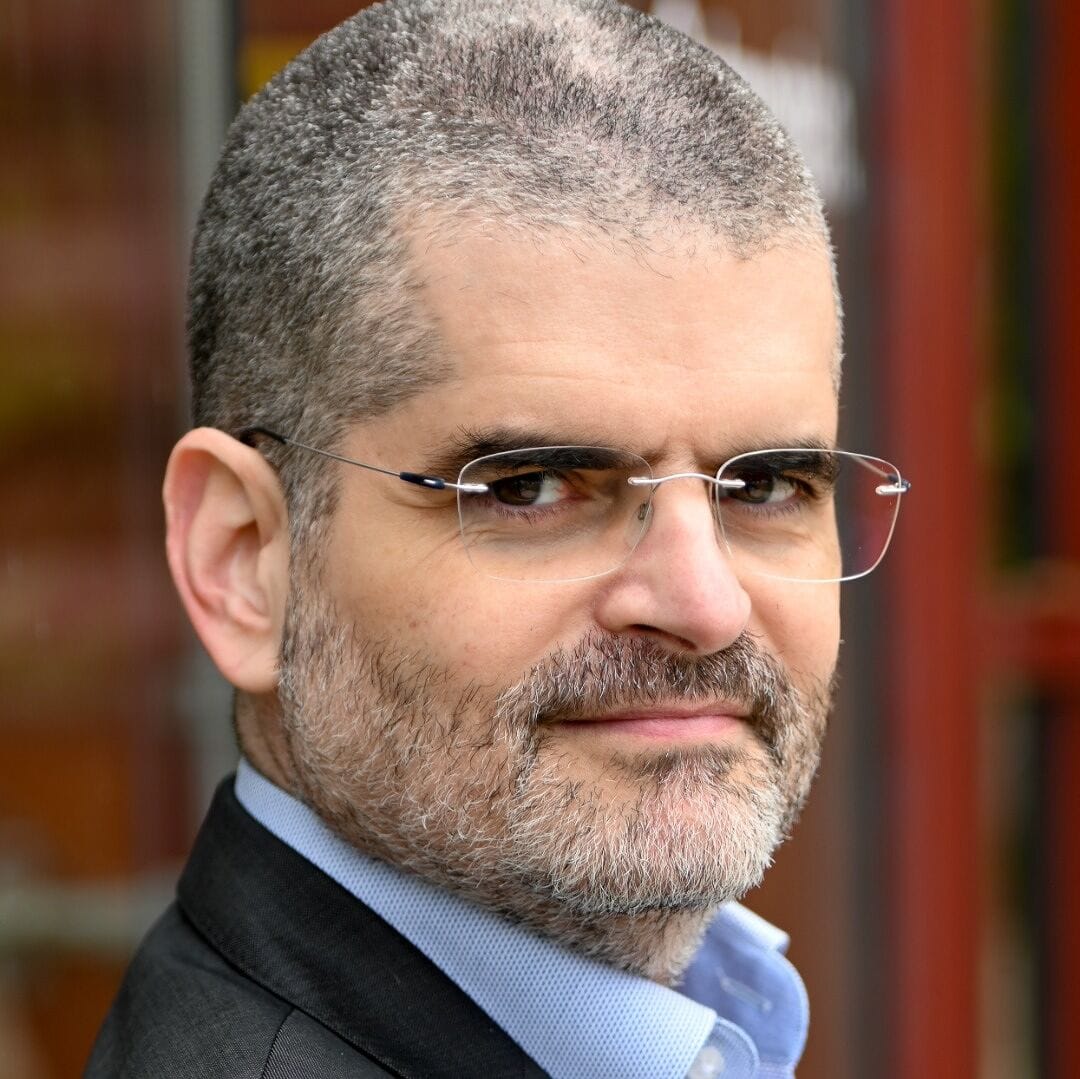
Bernardo Kastrup
Analytic idealism
Bernardo Kastrup is the Executive Director of Essentia Foundation and Founder/CEO at AI systems company Euclyd BV. His work has set off the modern renaissance of metaphysical idealism. He has a Ph.D. in philosophy (ontology, philosophy of mind) and another in computer engineering (reconfigurable computing, artificial intelligence).
As a scientist, he has worked for the European Organization for Nuclear Research (CERN) and the Philips Research Laboratories (where the ‘Casimir Effect’ of Quantum Field Theory was discovered). He has also been creatively active in the high-tech industry for almost 30 years, having founded parallel processor company Silicon Hive (acquired by Intel in 2011) and worked as a technology strategist for the geopolitically significant company ASML. Most recently, he has founded AI company Euclyd BV.
Formulated in detail in many academic papers and books, his ideas have been featured in Scientific American, the magazine of The Institute of Art and Ideas, the Blog of the American Philosophical Association and Big Think, among others. His most defining book is Analytic Idealism in a Nutshell: A straightforward summary of the 21st-century’s only plausible metaphysics.
Explore Bernardo’s work →Go deeper
A community made possible by member support
Standard membership €25 / month
Reduced-price membership €15 / month
Cancel at any time
Bursaries on request
Explore membershipAlready a member? Sign in
Weekly meetings · Full recordings · Questions & community
Member discussion