
Leading Jungian James Hollis: Does idealism reduce suffering at the cost of meaning?
Dialogue with Bernardo Kastrup, MONDAY 8th of Dec 2025, 3pm - 5pm UK time / 4pm - 6pm Central European Time / 10am - 12pm EST
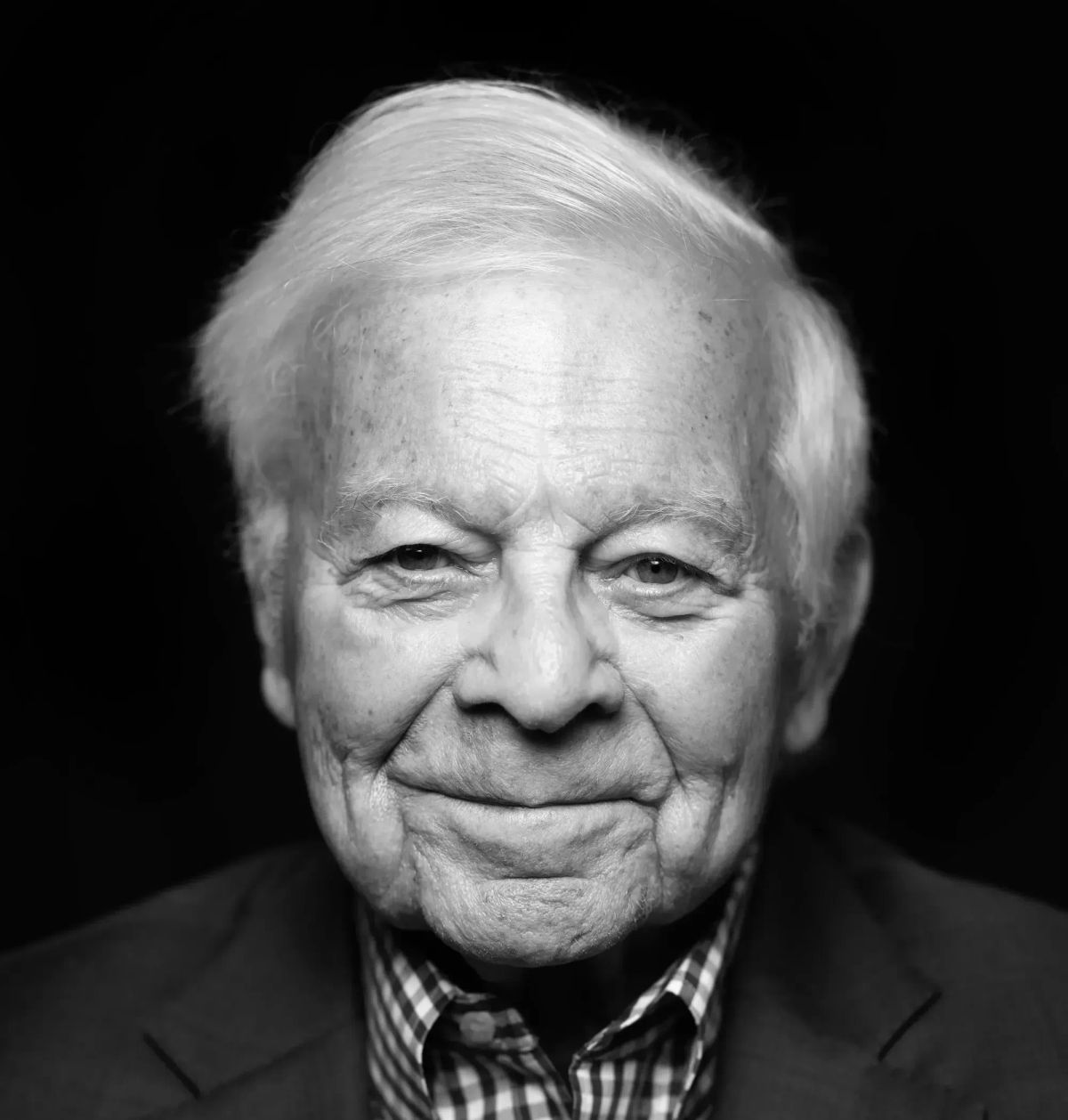
“The goal of life is meaning, not happiness.” - James Hollis
Does idealism reduce suffering at the cost of a meaningful life?
I was first introduced to nonduality as a path to fundamental wellbeing. If, like a dream, we recognise that reality is made of consciousness, then worry, regret and anxiety all fade to insignificance.
But this orientation teeters precariously close to nihilism. In some, it might lead to a detachment from life. A numbing out rather than a waking up.
So I was encouraged to discover that world-leading Jungian James Hollis, who famously declared that the goal of life is meaning, not happiness, has great admiration for idealist Bernardo Kastrup.
Many people feel a tension between a spiritual life and an engaged one. Teachings that exhort surrender and ego-transcendence imply a rejection of our pleasures and purpose. But if the goal of life is to merge back to oneness, why would the one go to the trouble of appearing as many?
For Bernardo, a Western approach to idealism does not entail an escape from the richness and rigour. "Though excruciatingly difficult sometimes,” he says, "it offers the potential for breakthroughs that will fill you with meaning and contentment to the point of bursting."
This is relevant to James Hollis, who believes that lack of meaning is the problem of our time. “More people suffer from a disconnect from meaning than any other cause.” Yet it doesn’t show up in psychiatric manuals and it's not categorised as a disorder.
The tragedy is that, whilst there is an inherent hunger “for meaning and purpose”, many people have no idea what to do about it. When asked, they say “I just don’t know what interests me. I don’t know what I want from my life.”
For many, the decades of needing to fit in with family and society makes something goes numb. We become separated from our inner voice, “lose contact with our own truth and we live separated from our own souls”.
In the face of this suffering, some may turn to meditation. But the danger is this could merely replace the numbing effects of adaptation with a deliberate dissociation from its consequences.
What if some forms of suffering are a call from deep within, away from distraction? A call towards a unique flowering that life wants to live through you. Perhaps, as James says, the goal of life is meaning, not happiness.
Through depth psychology, James helps people reconnect with their inner knowing. (You can find many inspiring interviews with him online, and I especially enjoyed this one).
BUT WHAT HAS THIS GOT TO DO WITH IDEALISM?
This coming Monday, Bernardo and James will dialogue on this exact question.
Perhaps idealism can be a framework for both transcendence and depth, purpose and peace.
We’ll ask how idealism could transform our approach to meaning and our life’s work. (After all, “vocation” comes from the Latin “vocatio”, meaning “a call.”) This is never about making money or being important, but rather something far more personal, private and unique.
We'll ask how Jung’s insights on archetypes, shadow and individuation might bridge idealism into the texture of an actual human life.
Maybe seeing the world not as dead matter, but as living mind can imbue our relationships with meaning, our path with purpose, and help us better hear the call to be who we are.
If this seems like it will be valuable to friends who are not members, you can share this link to register as a one-off event. Event is recorded.
Dialogue with Bernardo Kastrup, Monday 8th 2025,
3pm - 5pm UK time / 4pm - 6pm Central European Time / 10am - 12pm EST
About James Hollis
“our cultural icons—success, peace, happiness, and distraction—pale before the question of whether or not one experiences this life as meaningful.” - James Hollis
James Hollis, PhD, is widely regarded as one of the world’s leading Jungian analysts and interpreters of Jung’s legacy in our time. Zurich-trained at the C. G. Jung Institute in Zürich, he is a Jungian analyst in private practice in Washington, DC, after an earlier career teaching humanities and the history of ideas for 26 years.
He has held major leadership roles in the Jungian world, including Executive Director of the Jung Educational Center in Houston, Executive Director of the Jung Society of Washington, founding Director of Training at the Philadelphia Jung Institute, Senior Training Analyst for the Inter-Regional Society of Jungian Analysts, and Vice-President Emeritus of the Philemon Foundation.
Hollis is the author of more than seventeen influential books on depth psychology and the challenges of modern soul-making, among them The Middle Passage, Swamplands of the Soul, The Eden Project, Finding Meaning in the Second Half of Life, Living an Examined Life, Living Between Worlds and A Life of Meaning, which have become touchstones for readers navigating midlife, meaning and the demands of the unconscious.
Zoom link
We will meet earlier than normal and on Monday due to James' availability.
James will dialogue with Bernardo Kastrup for the first hour, followed by an hour Q&A with Bernardo.
Monday 8th 2025
3pm - 5pm UK time / 4pm - 6pm Central European Time / 10am - 12pm EST