Death

This meeting is Sun 25th Oct (not Tues 27th). We'll be transitioning more meetings to Sundays, so please look out for updates by email or on the schedule.
Additionally, because European clocks change this weekend, this meeting starts an hour later than usual if you are in North America:
6–8pm UK time / 7–9pm CET / 2–4pm ET
At a retreat centre I frequent, a genuine skeleton is positioned in meditation posture. You can mirror its position and gaze into its hollow eyes, considering your own fate. Or at least, the likely fate of your body.
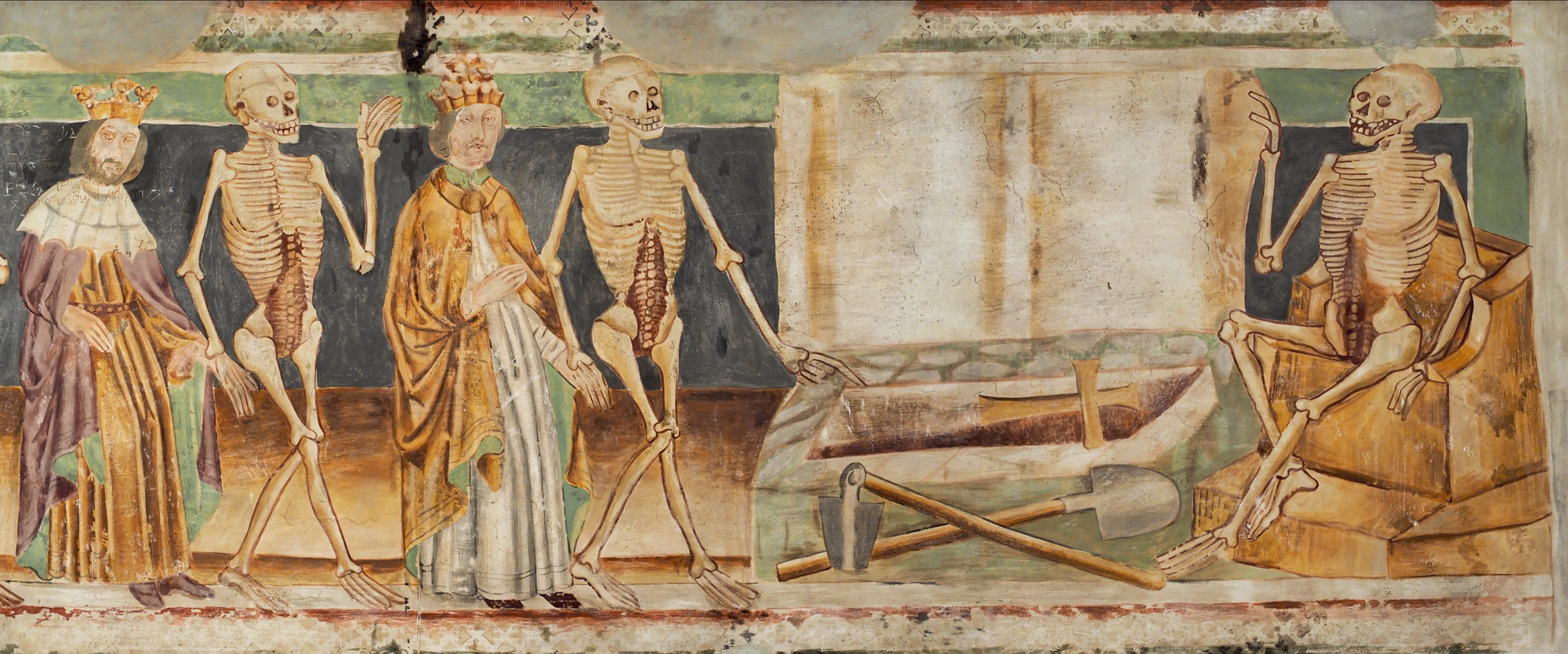
Many wisdom traditions extol the virtues of regular contemplation of death: The Stoic memento mori; The Buddhist maraṇasati, mindfulness of death; The public cremations of Varanasi.
The anthropologist Ernest Becker argued that the unconscious fear of death drives much of human psychology. This idea was later developed and tested as part of Terror Management Theory.
In the first experiment, 22 Tucson municipal court judges completed questionnaires about personality and bail decisions, but half included two short exercises about their own death. These judges who had thought about death set an average hypothetical bail of $455; nine times harsher than the other average of $50.
Hundreds of similar studies followed. Reminders of death can cause people to cling more tightly to their own group, judge outsiders more harshly, and exhibit behaviours of extremism and greed.
Strangely, the effect is strongest when we’re not thinking about it: it appears mainly when thoughts of death are accessible but not meta-consciousness.
In contrast, deliberate contemplation seems to have the opposite effect. Psychologist Philip Cozzolino noticed that many people who nearly die come to see the pursuit of wealth and possessions as empty. He asked participants not just to glance at death, but to vividly imagine their own and reflect on their life. A brief reminder of death made the more materialistic participants greedier, while this deeper reflection led them to behave less selfishly. The research is young (a later attempt to replicate it didn’t find significant effects), but it echoes what the traditions have long claimed. Rather than contracting in fear, facing death squarely allows us to consider what is truly meaningful about life.
For everything a season
"A time to be born, and a time to die; a time to plant, and a time to pluck up that which is planted" - Ecclesiastes
Next week is Halloween, rooted in Celtic Samhain, followed by the Day of the Dead in Mexico. A time when the veil between the living and the dead is thought to be at its thinnest and when many cultures honour the dead and celebrate the impermanence of existence.
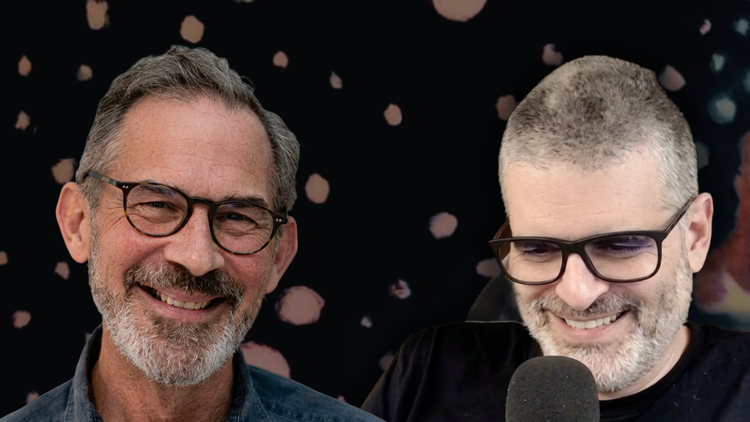
For Bernardo, death is the end of dissociation, not the end of consciousness. He has compared each of us to a whirlpool in a stream, and its dissolution an expansion of consciousness, not a reduction. If so, what remains of us? What happens to the memories and experiences of a life? And how should that change the way we live now?
We meet with Bernardo this Sunday to consider what death means through the lens of analytic idealism.
Bring your questions, and perhaps the fruits of your own contemplation.
Skeleton optional.
Amir
Zoom Room
Sun 25th Oct 2026
6–8pm UK time / 7–9pm CET / 2–4pm ET
Become a member to join our weekly live calls and access all the recordings
Go deeper
A community made possible by member support
Standard membership €25 / month
Reduced-price membership €15 / month
Cancel at any time
Bursaries on request
Explore membershipAlready a member? Sign in
Weekly meetings · Full recordings · Questions & community