
'Mind-Body' might not be enough
Childhood adversity has been linked to both mental illness and autoimmune disorders. Neuropsychiatrist Dr Thomas Pollak explores if they might be descriptions of the same thing, in dialogue with Bernardo Kastrup.

Recording thumbnail: The Universal Man, 13th-century manuscript of Hildegard of Bingen’s Liber divinorum operum (Book of Divine Works)

Many doctors draw a hard line between physical and psychological reasons we feel bad, and often only take one of those seriously.
But for neuropsychiatrist Dr. Thomas Pollak, this dualism ignores well-established data.
Whilst the placebo effect is the most well-known, his work on immunity, psychiatry and neurology has revealed treatments that each alone would miss: severe mental health problems that best respond not to psychiatric drugs, but to immunotherapy.
Normally, we're taught that the immune system is busy fighting off germs. To do this, it has to distinguish between what belongs in your body and what doesn't: what is you, and what is not. An autoimmune condition is where something goes wrong, and the body starts to attack itself.
Tom's research implies that both autoimmune and psychiatric disorders might share the same risk factors, including adverse childhood events. Could intolerable abuse in early life show up as dissociation in both the body and mind, a disruption in self-identification?
Under analytic idealism, this would make perfect sense. The immune system and the psychological self would be different accounts of the same thing: the process by which we create a sense of self, distinct yet embedded in the world.
The metaphysics of medicine
Recent studies show that attention can dramatically change how our immune system responds. Inject histamine into your arm, and the skin pattern responds to your focus. Attend to the sensations, the swelling and redness reduce. Get distracted and the symptoms increase.
But Thomas is not in favour of simplistic explanations. The idea isn’t to reduce everything to an inflammation problem, or imply illness ‘is all in your head’.
Even as a committed idealist, Bernardo agrees. Believing everything is mental does not mean it's all under our control. It does, however, dramatically widen the scope for what healing means, and treatments worthy of serious investigation.
In the future, medicine might study which interaction is most likely to help, rather than trying to reduce everything to biological mechanisms and explain away placebo. There might even be room for metaphysics in medicine.
As a meditator, Thomas is well aware: In some ancient cultures there was no need to insist on a mind-body connection. The same word would refer to them both.
We also discussed:
- A future world of non-dual doctors
- Disorders with nothing on brain scans
- The problem of dualist doctors
- When meditation might cause harm
- Links between spirituality and psychosis
- Why talking to your selves & your symptoms might be good
I look forward to your reflections in the comments.
Until then, wishing you health and healing!
Amir
P.S. Check out the resources tab for links to papers, audio and meeting chat.
Date: 8 November 2026
Duration: 2h 3m 10s
0:00:00 Medicine and metaphysics
0:06:28 When the immune system changes the mind
0:15:37 Are the immune & psychological self the same thing?
0:22:42 The problem with dualist doctors
0:30:16 The placebo effect should not surprise us
0:37:28 Attention shapes the immune response
0:49:16 Turning symptoms into someone we can talk to
0:53:38 Could a cancer diagnosis affect the outcome?
1:00:20 Imagine a world of nondual doctors
1:11:12 Does the brain create reality—or our experience of it?
1:18:02 Idealism does not make the ego a god
1:23:53 Should a brain scan tell us everything?
1:33:11 Could mental illness be a question of boundaries?
1:43:47 When can meditation do more harm than good?
1:50:35 Can we feel something a brain scan can’t show?
1:54:33 When the body takes over
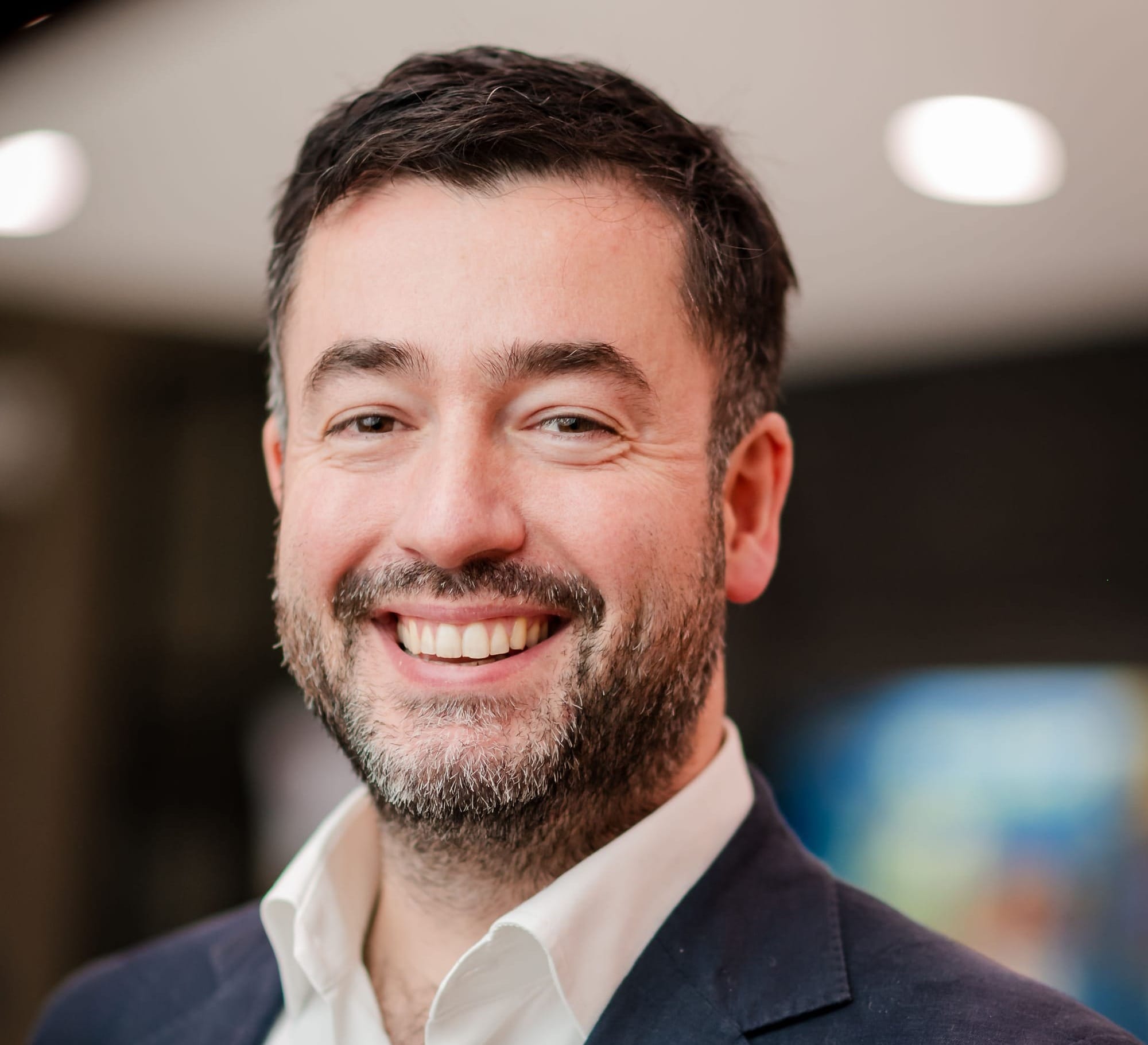
Dr Thomas Pollak
Dr Thomas Pollak is a psychiatrist and researcher at King’s College London who works at the meeting point of the immune system, the brain and mental health. He is Reader in Immunopsychiatry at King’s and an Honorary Consultant Neuropsychiatrist at South London and Maudsley NHS Foundation Trust.
His research focuses particularly on autoimmune encephalitis and on identifying cases of psychosis that may have an autoimmune cause. He co-runs a specialist clinic for people with suspected autoimmune disorders affecting the brain, and led an international group that developed criteria to help clinicians recognise and manage psychosis of suspected autoimmune origin.
Tom trained in psychology, medicine, psychiatry and neurology. His wider interests include functional neurological disorders, long COVID, patients’ lived experience, meditation and contemplative practices, and the effects of artificial intelligence on belief and mental health. A long-term student of Buddhist meditation, he also writes about the borderlands between medicine, science, philosophy and spirituality.
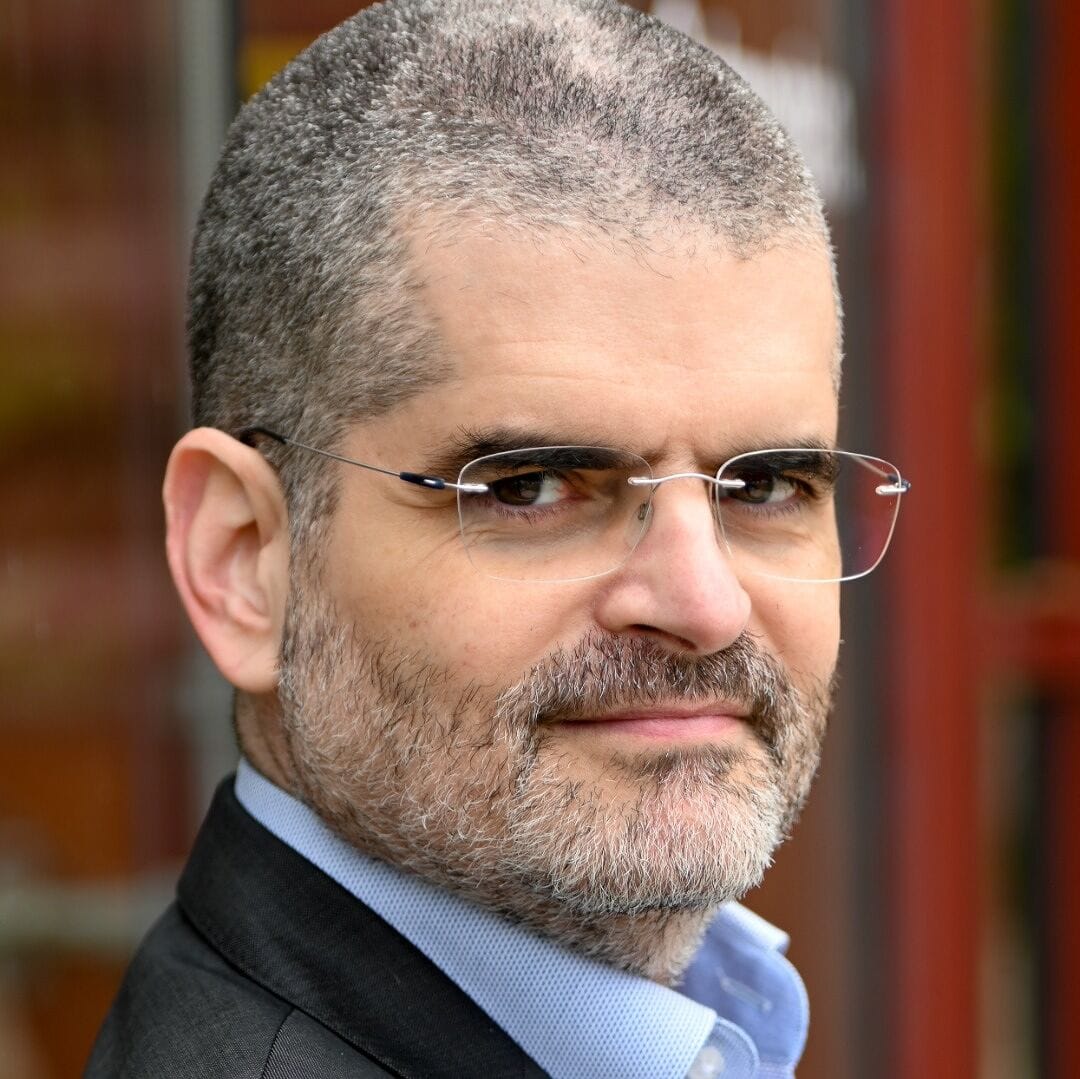
Bernardo Kastrup
Analytic idealism
Bernardo Kastrup is the Executive Director of Essentia Foundation and Founder/CEO at AI systems company Euclyd BV. His work has set off the modern renaissance of metaphysical idealism. He has a Ph.D. in philosophy (ontology, philosophy of mind) and another in computer engineering (reconfigurable computing, artificial intelligence).
As a scientist, he has worked for the European Organization for Nuclear Research (CERN) and the Philips Research Laboratories (where the ‘Casimir Effect’ of Quantum Field Theory was discovered). He has also been creatively active in the high-tech industry for almost 30 years, having founded parallel processor company Silicon Hive (acquired by Intel in 2011) and worked as a technology strategist for the geopolitically significant company ASML. Most recently, he has founded AI company Euclyd BV.
Formulated in detail in many academic papers and books, his ideas have been featured in Scientific American, the magazine of The Institute of Art and Ideas, the Blog of the American Philosophical Association and Big Think, among others. His most defining book is Analytic Idealism in a Nutshell: A straightforward summary of the 21st-century’s only plausible metaphysics.
Become a member to join our weekly live calls and access all the recordings
Go deeper
A community made possible by member support
Standard membership €25 / month
Reduced-price membership €15 / month
Cancel at any time
Bursaries on request
Explore membershipAlready a member? Sign in
Weekly meetings · Full recordings · Questions & community