
Seeking humanity's "biggest ever discovery"
Prof. Avi Loeb on the evidence for UAPs & its implications, in dialogue with Bernardo Kastrup
Recording thumbnail: Avi Loeb
Most unidentified objects in our skies have simple explanations. Weather patterns, birds, drones and shaky phones. But even if one in a million is alien technology, for Harvard astrophysicist Avi Loeb, “it would be the biggest discovery ever made by humanity." This motivates his work leading the Galileo Project, a scientific search for possible alien artefacts, and chairing the UAP Science Advisory Council.
“It will have huge implications for science, for technology, for theology, philosophy. Recognising our place in the universe, we would realise that we are not at the top of the cosmic food chain."
Bernardo stepped back from active participation in the enquiry in 2023 because of the amount of unreliable data and reports. But he considers Avi to be one of “the lights in that community”, a “beacon of reason”.
This is partly because Avi is so focused on what is known as the ‘nuts and bolts’ of UAP phenomena, and the search for new, reliable data captured by scientific instruments he can trust.
That doesn't mean things are easy.
"It's not a coincidence that in recent years there weren't many discoveries that are disruptive to science because everyone is doing the same thing. And if someone deviates from the beaten path, immediately that scientist gets attacked."
This conversation explores both the evidence and the assumptions we bring to it. Could we recognise a technology radically different from our own? Should accounts of alien abduction be considered? And would verified non-human intelligence challenge materialism?
Avi and Bernardo find common ground on many questions whilst holding their strong metaphysical disagreements.
We also discuss
- Metaphysical implications of discovering aliens
- ‘Alien’ might not mean ‘extraterrestrial’
- What would count as conclusive evidence
- Avi’s personal hunch about what’s really out there
As ever, I appreciate your reflections in the comments section.
Until next week,
Amir
Date: 20 October 2026
Duration: 2h 5m 49s
00:00:00 Welcome and catching up
00:04:49 Why Bernardo left the UAP scene
00:14:24 Hope for humanity’s biggest ever discovery
00:20:07 Verdict on recently released footage
00:27:02 Overcoming redactions
00:30:35 Why scientists resist new discoveries
00:34:48 Hessdalen explanation
00:36:35 FBI reports on mental interactions and orbs
00:40:20 Searching for the unexplainable
00:42:42 Alien technology would dwarf Artificial intelligence
00:52:26 Seeking radio waves is short sighted
00:55:44 Avi’s personal hunch about spacecraft
00:57:43 Nuts & bolts explanations vs Jacques Vallee
01:00:07 Could AI be conscious?
01:04:08 The most anomalous phenomena & communication
01:07:11 Prize for evidence of alien technology
01:08:58 Could revealing alien technology lead to prosecution?
01:15:12 Alien materials & mysterious photographic evidence
01:19:43 Why data remains hidden
01:22:13 Should we dismiss alien abductions?
01:33:33 Would we recognise a radically different technology?
01:40:53 Ancient monuments = hidden messages?
01:43:33 Why trust the government?
01:47:31 Could discovery overturn materialism
01:58:44 Bernardo’s reflections on Avi’s approach
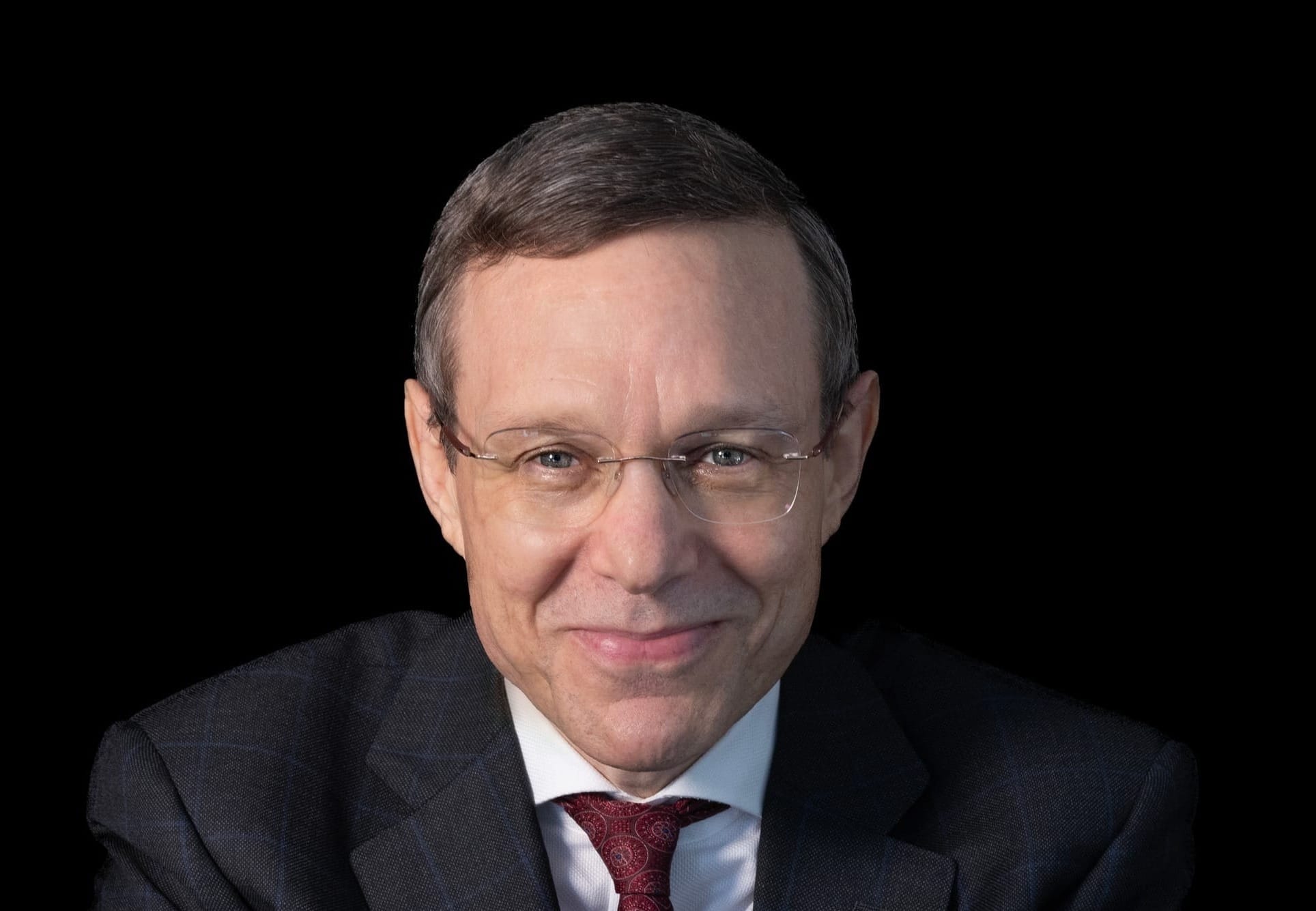
Avi Loeb
Professor Abraham “Avi” Loeb is an astrophysicist and the Frank B. Baird Jr. Professor of Science at Harvard University. His work ranges from black holes and the early universe to the search for life and technology beyond Earth. He served as chair of Harvard’s Astronomy Department from 2011 to 2020 and is the founding director of its Black Hole Initiative.
Avi leads the Galileo Project, which uses scientific instruments to search systematically for possible extraterrestrial technological artefacts. He became widely known after arguing that an artificial origin for ‘Oumuamua, the first recognised interstellar object, should be considered rather than ruled out in advance.
He now chairs the UAP Science Advisory Council, which advises a US government interagency board on evidence, instrumentation and data standards for investigating unidentified anomalous phenomena. He is the author of more than 800 scientific papers and several books, including Extraterrestrial and Interstellar.
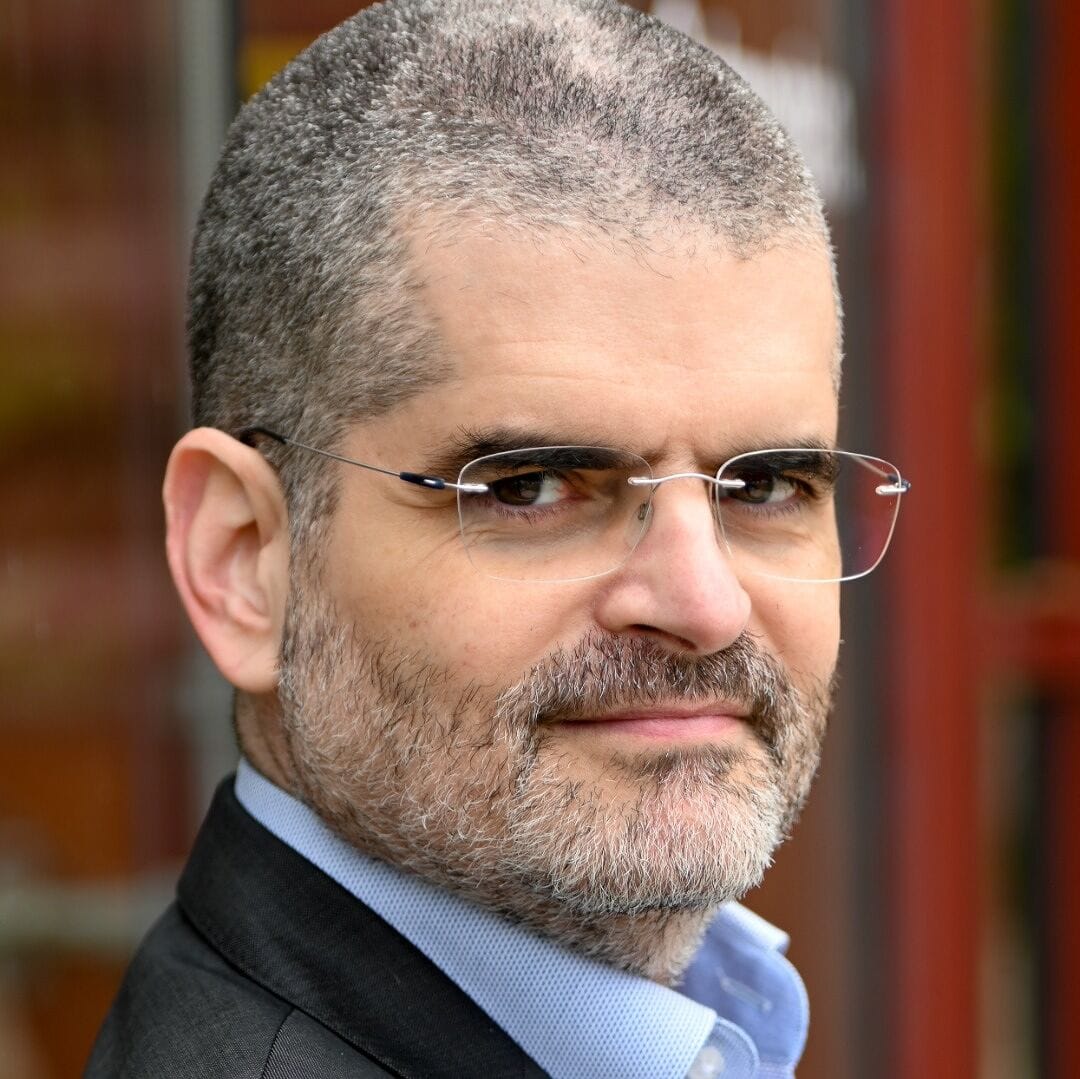
Bernardo Kastrup
Analytic idealism
Bernardo Kastrup is the Executive Director of Essentia Foundation and Founder/CEO at AI systems company Euclyd BV. His work has set off the modern renaissance of metaphysical idealism. He has a Ph.D. in philosophy (ontology, philosophy of mind) and another in computer engineering (reconfigurable computing, artificial intelligence).
As a scientist, he has worked for the European Organization for Nuclear Research (CERN) and the Philips Research Laboratories (where the ‘Casimir Effect’ of Quantum Field Theory was discovered). He has also been creatively active in the high-tech industry for almost 30 years, having founded parallel processor company Silicon Hive (acquired by Intel in 2011) and worked as a technology strategist for the geopolitically significant company ASML. Most recently, he has founded AI company Euclyd BV.
Formulated in detail in many academic papers and books, his ideas have been featured in Scientific American, the magazine of The Institute of Art and Ideas, the Blog of the American Philosophical Association and Big Think, among others. His most defining book is Analytic Idealism in a Nutshell: A straightforward summary of the 21st-century’s only plausible metaphysics.
Become a member to join our weekly live calls and access all the recordings
Go deeper
A community made possible by member support
Standard membership €25 / month
Reduced-price membership €15 / month
Cancel at any time
Bursaries on request
Explore membershipAlready a member? Sign in
Weekly meetings · Full recordings · Questions & community