30th Dec: Threshold to the New Year
Q&A with Bernardo Kastrup 30th Dec 2025
Last week we explored the significance of rituals rooted in a connection to the rhythms of nature.
The New Year, as far as I know, is completely different.
The sun doesn’t pause. The tides don’t reset. Yet around the world its treated as a seam in reality: a moment to reflect, set new intentions, or at least get very drunk and kiss complete strangers.
In ancient Mesopotamia, the New Year arrived with spring. Lunar calendars often begin the year with a new moon, the first sliver of light.
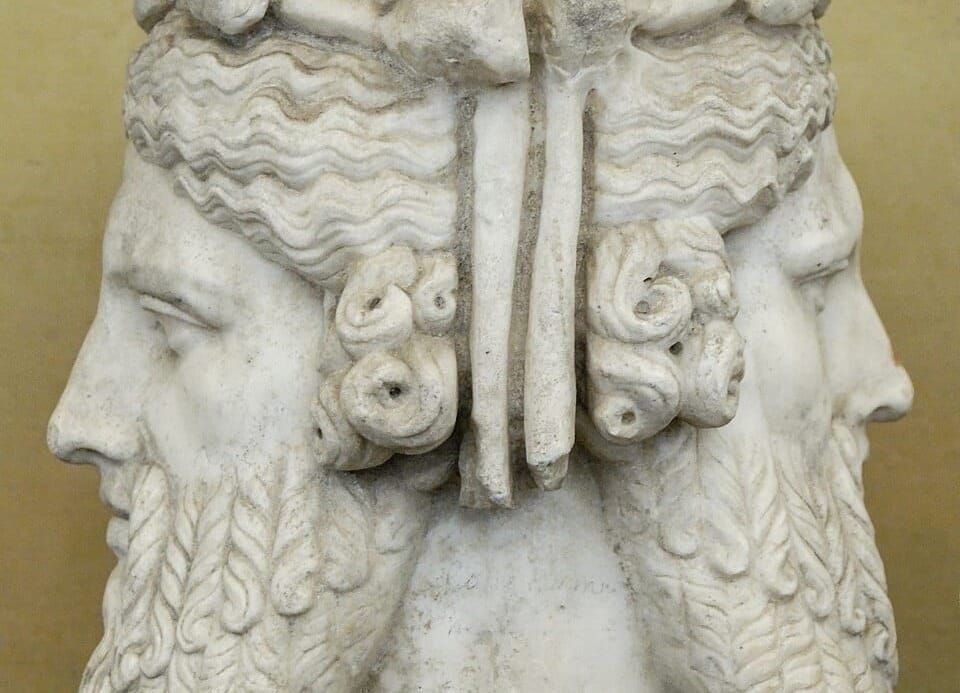
So why do we celebrate on the 1st of January? The month is named after Janus, the Roman god of doorways and thresholds, often depicted with two faces: one turned towards the future and one towards the past. The date became politically and administratively convenient: the start of the Roman civil year, but for centuries, different parts of Christian Europe treated different days as the start of the year: sometimes Christmas, sometimes March 25th (the Feast of the Annunciation), sometimes Easter. England’s legal new year, for a long time, began in late March.
In this session we'll explore the questions raised by the celebration of a human division of time. The setting of intentions. The reflection on the past.
If you have questions that are more squarely about the nature of time, you can add them to an upcoming session on that topic here.
I look forward to seeing you then. Which will be now. And then.
With appreciation!
Amir
Zoom Room
30th Jan, 2025
6-8pm UK time / 7-9pm CET / 1-3pm EST